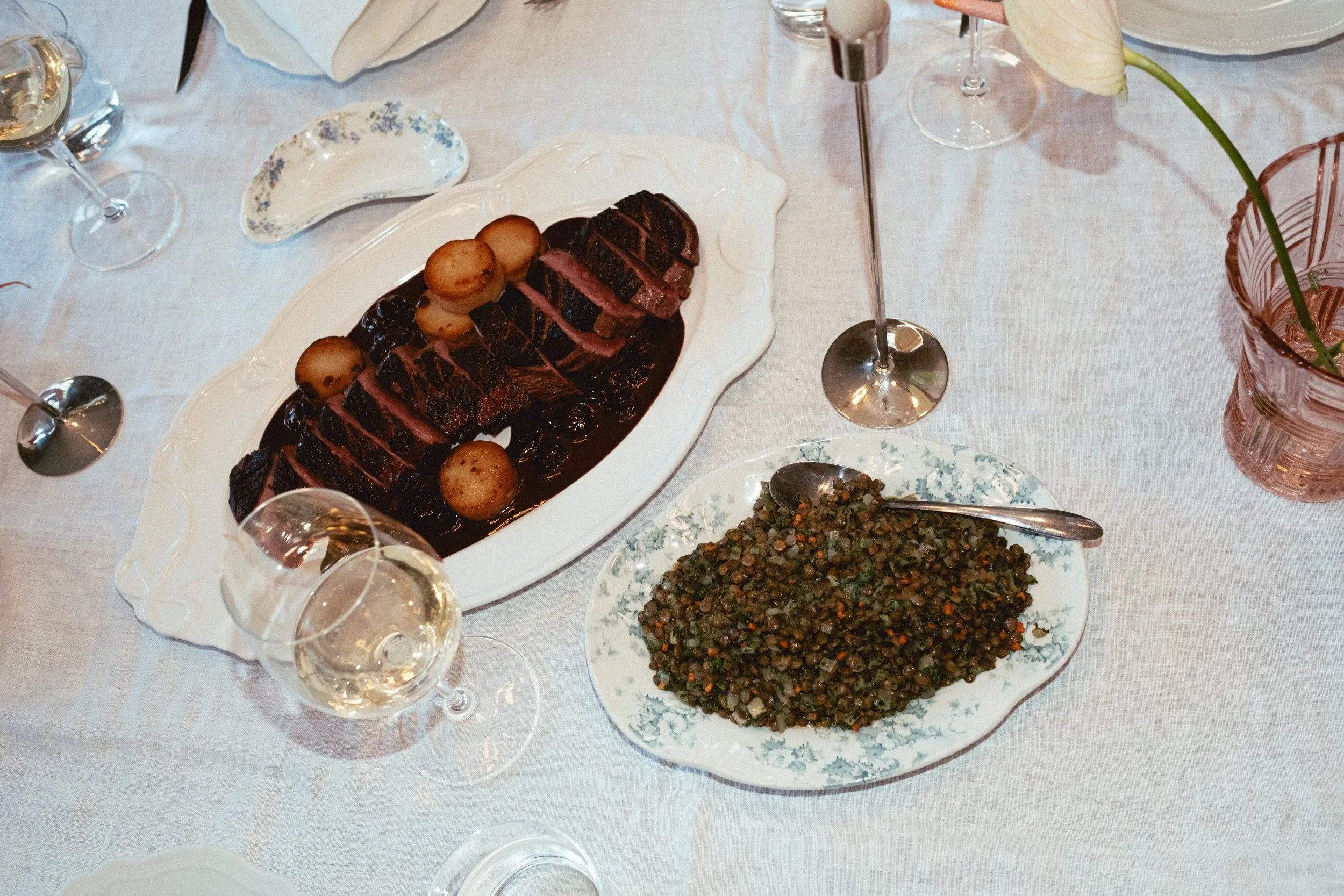
Seared Magret Duck Breast with Cherries

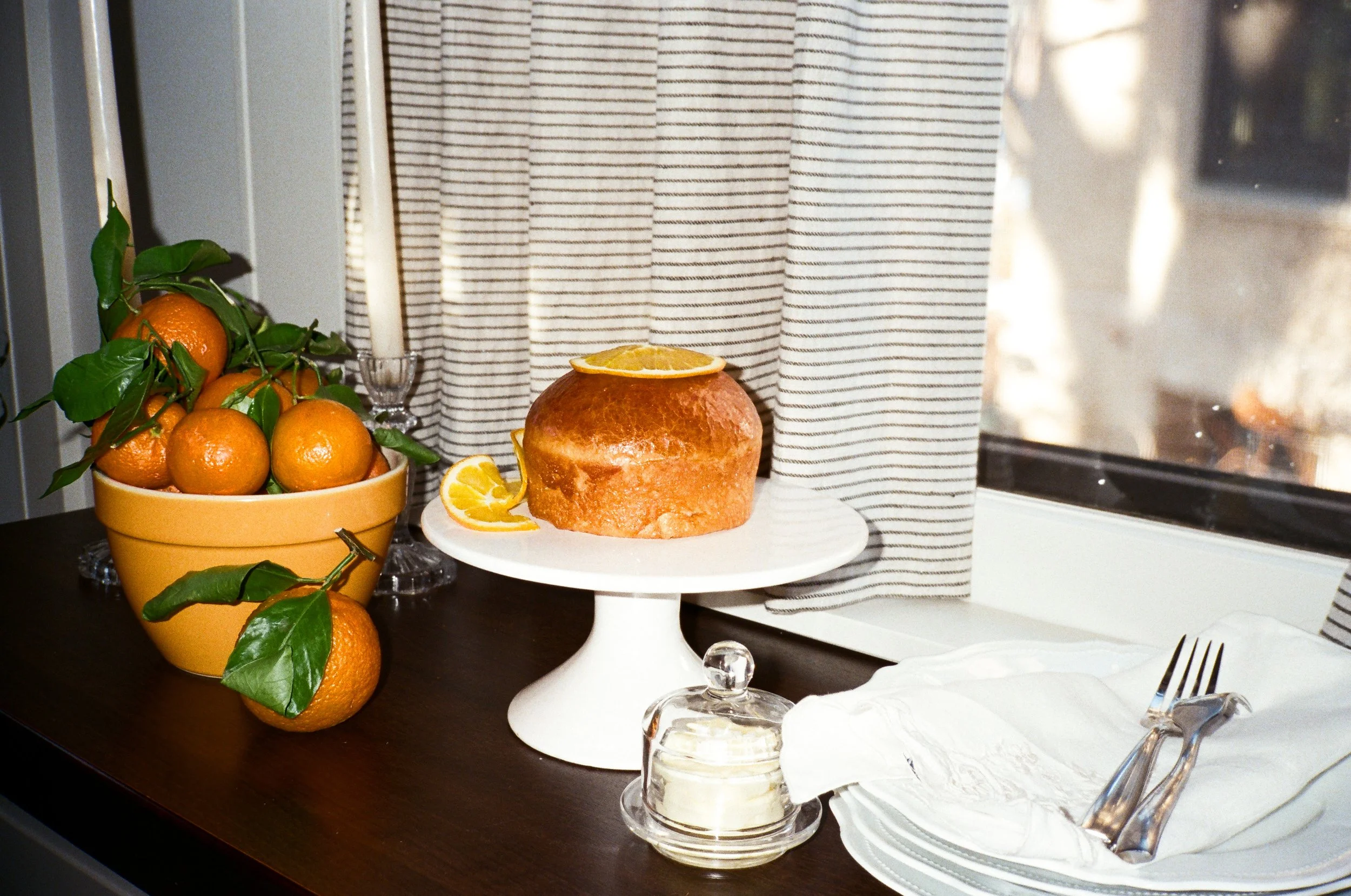
I view duck as a transition bird perfect for spring. It bridges the hearty winter dinners with its rich flavor and the lighter, brighter cooking of summer. Plus, cherry season is almost here, a classic flavor combination :)
Magret refers to the breast of a duck that’s a cross-breed of Muscovy and Pekin. The breasts have a thick layer of fat and rich, almost steak-like red meat. We prefer Magret, but this technique will work on any duck breasts, just pay attention to the thickness of the skin to adjust cooking time.
Think of cooking duck like cooking a steak on top of a slab of bacon. You want crispy, rendered skin with a medium rare to medium breast.
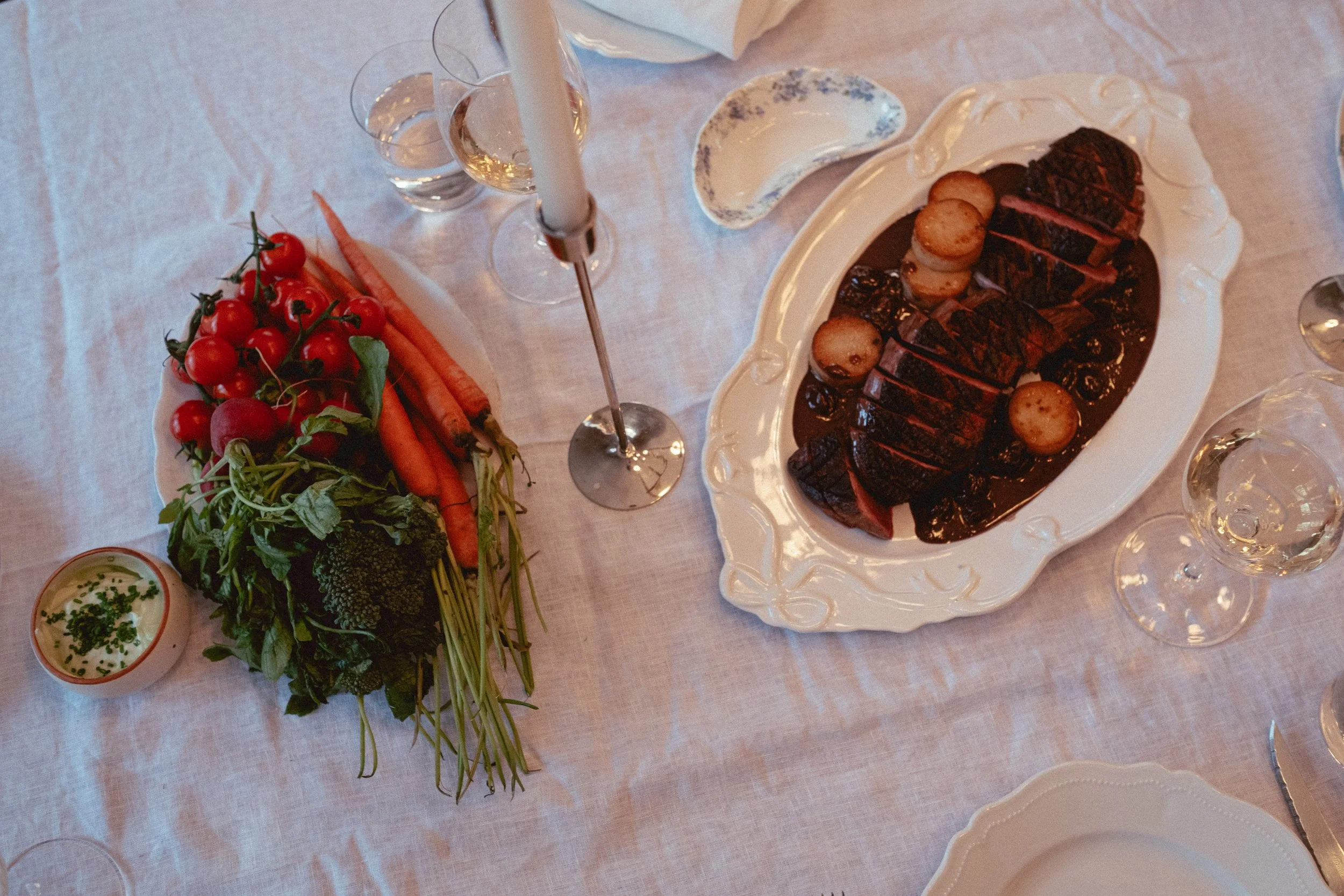
Tips for Your Success:
Score the breast to help render the fat evenly, especially if the skin is quite thick.
Start the duck breasts skin-side down in a cold pan.
Cook it at a medium, even heat to render the skin.* You want to hear it bubble and sizzle but not spit and spatter. If the heat is too low, the duck breast may overcook by the time the skin is crispy. If it’s too hot, the skin and breast will contract too rapidly, resulting in uneven browning and a chewier, fattier texture.
*This is one area where when we say “medium heat,” you say, “let me see about that.” Every range is different and every pan transfers heat differently. Feel free to adjust the heat by reacting to what you’re sensing, especially noticing the sound.
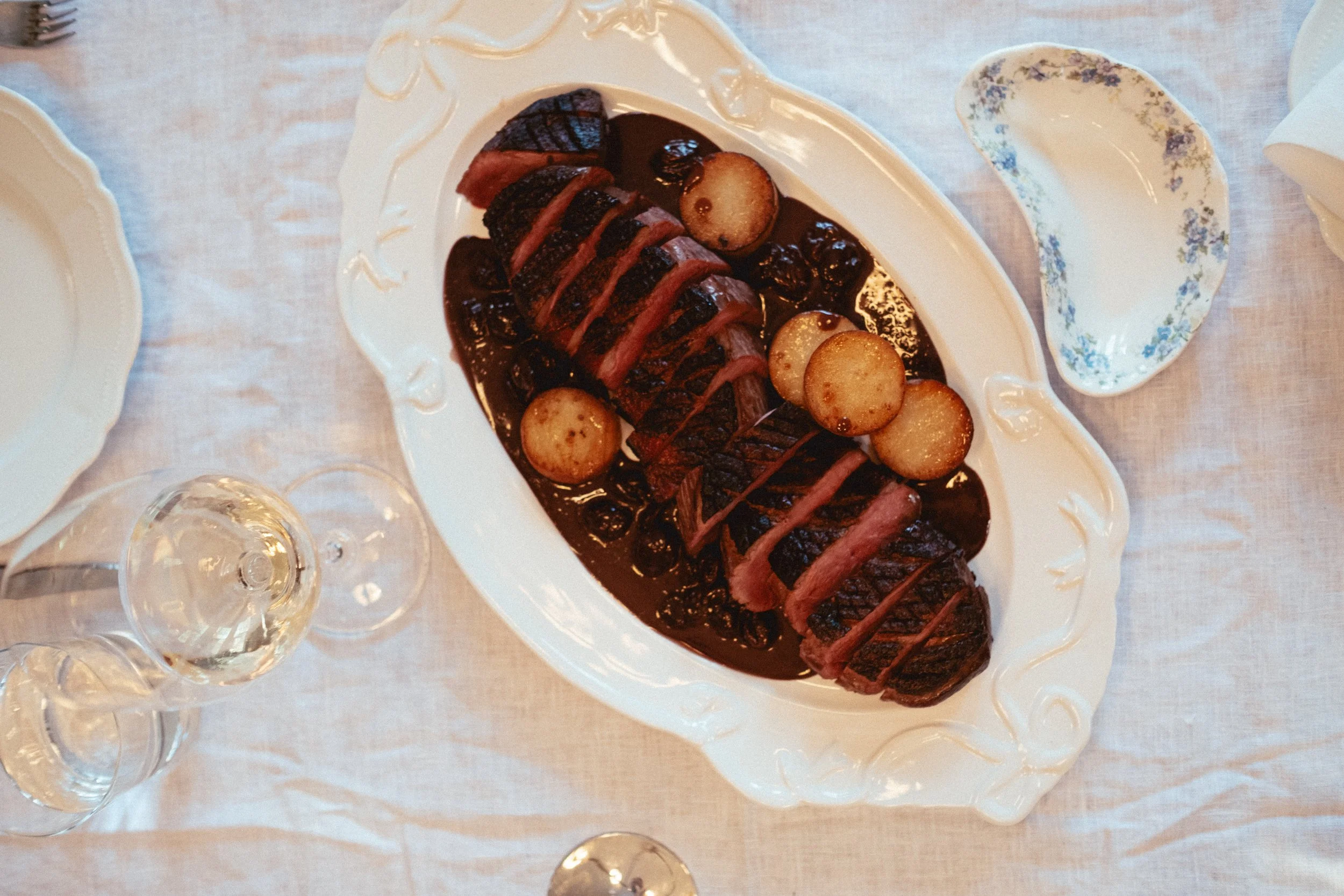
Seared Magret Duck Breast with Cherries
serves 2
Ingredients
2 Magret duck breasts
1 shallot, minced
½ cup dry red wine
½ cup chicken stock
6 oz cherries, pitted and halved
2 tbsp cherry preserves
1 tbsp balsamic vinegar
1 tbsp cold butter
sugar, if needed
salt to taste
freshly cracked black pepper
Equipment
saute pan or cast iron
metal or glass bowl for the rendered fat
whisk
Preparation
Bring the duck breasts to room temperature about 30 minutes before cooking. Score the skin in a cross-hatch pattern to help the fat render and give you crispier skin. Scoring doesn't need much pressure. The deeper you go, the more fat will render out but you don't want to see any flesh. Season both sides with salt and let sit for 10-15 minutes. Pat the skin dry with paper towels.
Place the duck breasts skin side down in a cold pan without overcrowding. Turn the heat to medium. Allow the duck skin to slowly render.
As the skin is rendering, pour off any excess fat. You only want about ⅛” of fat in the pan. Feel free to pass the strained fat through a fine-meshed strainer and keep it refrigerated or frozen for other uses.
Continue to cook the duck skin side down until the skin has rendered and is golden brown and crispy. The duck should cook skin side down for about 3/4 of its total cooking time. You also want to hear the fat sizzle and bubble but not spit and spatter. Not too hot or too fast for the skin to cook unevenly and not too low where there's no sizzling sounds.
Once the skin is golden brown, flip the duck and season the skin with a little salt. Cook for about 2 minutes for medium rare, less if you basted the breast while the fat was rendering. If you're using a meat thermometer, render the skin until about 115-120ºF, then flip and cook until it hits about 125ºF for medium rare.
Remove from the pan and allow to rest for about 5-10 minutes, skin side up.
Meanwhile, make the cherry sauce. In the same pan as the ducks, add the shallot and sweat, turning up the heat if needed.
Deglaze the pan with the wine, chicken stock, cherries, and cherry preserves, and bring to a boil.
Add the balsamic vinegar, salt and pepper to taste, and reduce the heat to a simmer for 20 minutes or until it begins to thicken.
Whisk in cold butter. Adjust the sweetness with a pinch of sugar if needed.
Slice the duck against the grain and serve with the cherry sauce.
Questions about the recipes? Email britt@parisdiningclub.com